
Table of Contents
ToggleWhen it comes to interior layout, the right arrangement can transform a space from drab to fab faster than you can say “open concept.” A well-thought-out layout not only makes a room more functional but also sets the mood for every gathering. Whether it’s a cozy dinner party or a lively game night, the way furniture is arranged can either make or break the vibe.
Understanding Interior Layout
A functional and appealing interior layout is essential for effective space utilization. Proper layout design influences the mood and interaction of individuals in that space.
Importance of Interior Layout
Creating a suitable interior layout enhances the flow of movement within a room. It encourages social interaction during gatherings and promotes efficiency in daily activities. A well-designed layout accommodates diverse functions, transforming an environment for work or relaxation. Individuals often experience comfort and satisfaction when the arrangement aligns with their lifestyle needs. Overall, the importance of interior layout cannot be overstated, as it significantly impacts the user experience.
Key Elements of Interior Layout
Several key elements contribute to a successful interior layout. Space planning stands as the foundation, focusing on the efficient allocation of space for various purposes. Furniture arrangement plays a crucial role, ensuring that pieces are positioned for optimal usage and comfort. Natural light influences ambiance, fostering a vibrant atmosphere when strategically utilized. Color schemes can either energize or soothe, creating different vibes within the same room. Lastly, accessories and decor help to personalize a space, enhancing overall aesthetics and fulfilling individual tastes.
Types of Interior Layouts
Various types of interior layouts cater to different needs and preferences. Choosing the right one can greatly enhance the functionality and aesthetic appeal of a space.
Open Floor Plans
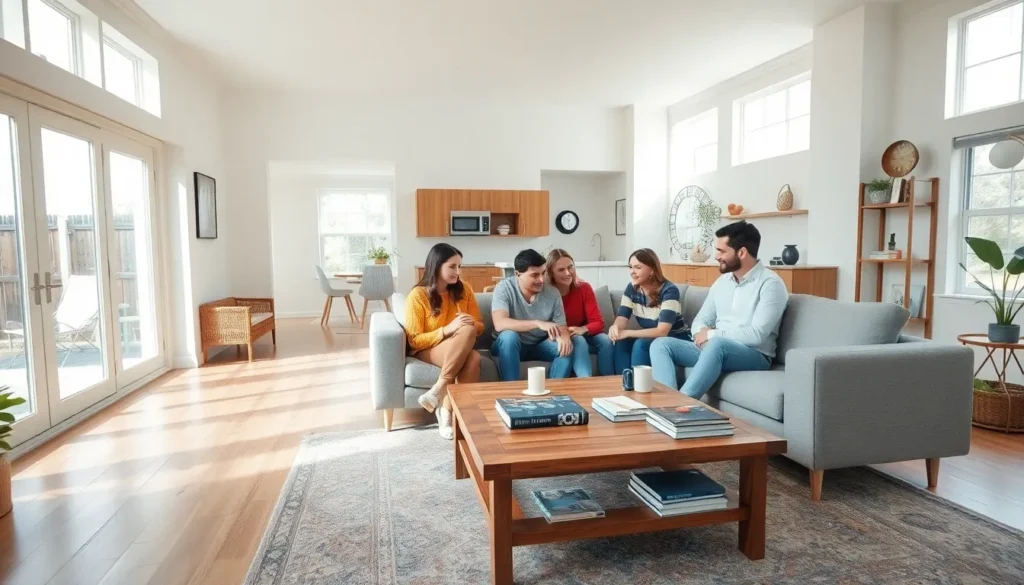
Open floor plans feature unbroken spaces connecting living areas like kitchens, dining rooms, and living rooms. These layouts encourage fluid movement, making them ideal for social gatherings. Natural light flows freely through interconnected areas, creating an inviting atmosphere. Families often favor this layout due to the openness that facilitates interaction. Flexible furniture arrangements work well in such designs, allowing for dynamic use of space. The absence of walls promotes a sense of spaciousness, appealing to those who prefer modern design aesthetics.
Traditional Layouts
Traditional layouts emphasize distinct, separate rooms, each serving a specific function. Living and dining rooms typically boast defined boundaries, enhancing privacy and sound control. This design appeals to those who value structure and organization in their homes. Accessibility remains a crucial aspect, ensuring clear pathways between rooms. Furniture placement in traditional layouts often centers around focal points like fireplaces or windows, creating a cozy ambiance. This style suits families seeking a harmonious balance of shared and private spaces, allowing for both social interaction and individual retreat.
Factors Influencing Interior Layout
Several factors shape interior layout, impacting functionality and user experience. Understanding these elements helps create cohesive spaces that meet individual needs.
Space Utilization
Effective space utilization maximizes available areas, ensuring every square foot serves a purpose. Layout designs must account for traffic flow, allowing movement without obstruction. Including multifunctional furniture, such as sofas that convert into beds, enhances usability. Proper placement of essential items, like tables and chairs, influences how people interact within the space. An open layout can create a sense of spaciousness, while defined zones may improve focus and organization. Balancing open and private areas accommodates diverse activities, enhancing overall functionality.
Aesthetic Considerations
Aesthetic considerations play a crucial role in shaping the overall ambiance of a space. Choosing color schemes that evoke specific emotions contributes to the desired atmosphere. Light, airy colors can create a sense of tranquility, while bold hues may energize the environment. Furniture selection impacts aesthetics, with styles reflecting personal taste and complementing the layout. Incorporating textures and patterns adds depth and visual interest, making a space more inviting. Additionally, accessorizing with artwork, plants, and decor enriches the visual experience and personalizes the environment, aligning with individual preferences.
Designing an Effective Interior Layout
An effective interior layout prioritizes functionality and aesthetic appeal. Well-planned spaces enhance user experience and satisfaction.
Planning for Functionality
Assessing space needs proves crucial for effective interior layouts. Identifying key activities helps determine furniture placement and traffic flow. For instance, placing seating arrangements around focal points, like fireplaces or TV units, facilitates social interaction. Ensuring enough room for movement between furniture pieces enhances accessibility and comfort. Additionally, incorporating multifunctional furniture increases usability and maximizes available space. Utilizing modular pieces offers flexibility, allowing adjustments as needs change. Overall, a functional layout promotes efficiency and enhances the overall atmosphere.
Incorporating Style and Comfort
Integrating style and comfort into interior layouts significantly impacts user enjoyment. Selecting color schemes that resonate with personal taste creates inviting environments. Specific fabrics and textures contribute warmth and coziness while encouraging relaxation. Complementing furniture with statement decor pieces showcases individuality and enhances visual appeal. Introducing natural light through strategic window placements improves ambiance and mood. Balancing aesthetics with comfort generates harmonious spaces that cater to diverse preferences. Personalizing the layout around style choices provides a unique touch, making the home feel truly inviting and reflective of its inhabitants.
A thoughtfully designed interior layout can truly transform any space. By prioritizing functionality and aesthetics, individuals can create environments that not only enhance usability but also reflect personal style. Whether opting for an open floor plan or a more traditional layout, the arrangement of furniture and decor plays a pivotal role in shaping the atmosphere.
Incorporating elements like natural light and multifunctional furniture further elevates the user experience. Ultimately, a well-planned interior layout fosters social interaction and comfort while maximizing space. With careful consideration of individual needs and preferences, anyone can achieve a harmonious living environment that feels inviting and efficient.


