
Table of Contents
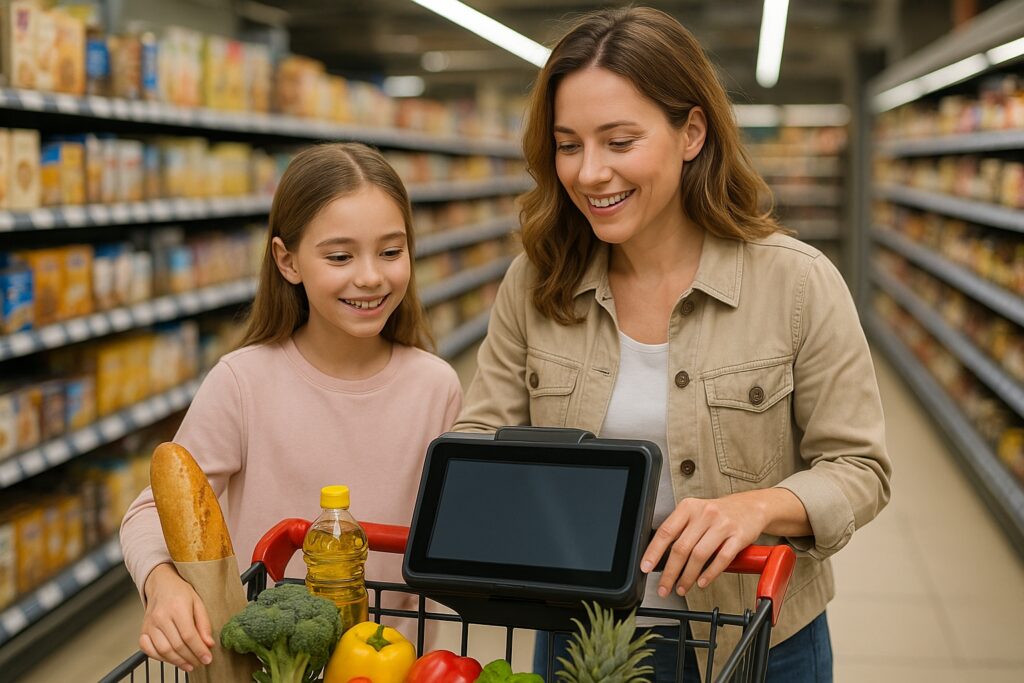
ToggleImagine wheeling around a shopping trolley that not only carries your groceries but also helps you save time and money. Enter the smart shopping trolley, the grocery store’s answer to your shopping woes. This innovative device is like having a personal assistant on wheels, guiding you through the aisles while ensuring you don’t forget that crucial item on your list—or accidentally buy ten bags of chips.
With features like built-in scanners, budget trackers, and even recipe suggestions, these trolleys are transforming the mundane shopping experience into a high-tech adventure. Say goodbye to the days of wandering aimlessly, and hello to a shopping experience that’s efficient, fun, and maybe even a little bit sassy. Get ready to embrace the future of grocery shopping—because who knew a trolley could be this smart?
Overview Of Smart Shopping Trolleys
Smart shopping trolleys enhance grocery shopping experiences by integrating technology directly into traditional shopping methods. These trolleys serve as personal assistants, streamlining the shopping process.
What Is A Smart Shopping Trolley?
A smart shopping trolley is a modern cart equipped with digital features designed to assist shoppers. These trolleys typically include functionalities such as built-in scanners for easy item identification. They also offer seamless navigation through grocery store layouts and provide access to promotional deals. Users benefit from enhanced convenience, allowing for quicker and more organized shopping trips.
Key Features Of Smart Shopping Trolleys
Smart shopping trolleys come with several innovative features. Built-in scanners allow users to quickly check prices and add items to their running totals. Budget trackers help shoppers monitor spending, ensuring they stay within set limits. Recipe suggestion capabilities also contribute to planning meals based on selected ingredients. Additionally, some models offer navigation assistance, guiding customers to specific aisles for desired products. These features combine to make shopping experiences more efficient and enjoyable.
Benefits Of Using Smart Shopping Trolleys
Smart shopping trolleys significantly improve the grocery shopping experience. They incorporate various features that promote efficiency and enjoyment.
Enhancing The Shopping Experience
Smart shopping trolleys enrich interactions between shoppers and products. Built-in scanners enable easy item identification, ensuring quick access to selections. Navigation assistance guides users through store layouts, reducing frustration and enhancing satisfaction. Recipe suggestions inspire meal planning while shopping, making it easier to pick necessary ingredients. Access to promotional deals helps users save money, leading to informed purchasing decisions. Overall, these features create a more engaging shopping atmosphere.
Convenience And Time-Saving
Utilizing smart shopping trolleys provides considerable convenience, streamlining the shopping process. Budget trackers assist individuals in managing spending without stress. Organizing shopping lists within the trolley saves time and minimizes the chances of forgetting items. Instant access to stored recipes allows shoppers to quickly gather all required components. Checkout functionalities often expedite the purchasing process, making it faster and smoother. Saving precious minutes during errand runs helps make grocery shopping less of a chore.
Popular Smart Shopping Trolley Models
Smart shopping trolleys come in various models, each offering unique features to cater to different user preferences. The following comparisons and reviews highlight some of the most popular options available.
Model Comparison
| Model | Features | Price Range |
|---|---|---|
| TrolleyTech 1000 | Built-in scanner, budget tracker, recipe suggestions | $200 – $250 |
| SmartCart Pro | Navigation assistance, digital shopping list, promotional deals access | $150 – $200 |
| GroceryAssist 300 | User-friendly interface, real-time price updates | $175 – $225 |
| EasyShop Max | Compact design, lightweight frame, self-checkout compatibility | $125 – $175 |
TrolleyTech 1000 offers advanced scanning and budget tracking features. SmartCart Pro excels in navigation assistance, while GroceryAssist 300 focuses on user-friendliness. EasyShop Max’s lightweight design suits those looking for portability.
Customer Reviews And Ratings
Customer feedback shows a positive reception for smart shopping trolleys. Users frequently praise TrolleyTech 1000 for its intuitive interface and efficiency. SmartCart Pro often receives high marks for simplifying navigation in large stores. Feedback for GroceryAssist 300 highlights its effective price updates as a valuable money-saving feature. EasyShop Max’s compactness and lightweight design garner appreciation from shoppers who prioritize convenience. Overall, these models receive ratings mostly between 4 and 5 stars, indicating strong satisfaction among users.
Technological Innovations In Smart Shopping Trolleys
Smart shopping trolleys incorporate cutting-edge technology to enhance the shopping experience significantly.
Integration With Mobile Apps
Integration with mobile apps allows users to sync their shopping lists directly with the trolley. Users can access special offers or promotions through these apps. The connection streamlines the shopping process, enabling easy updates and modifications to shopping lists. Real-time notifications inform users about discounts on selected items, maximizing savings. Cohesively, these features boost user engagement and simplify grocery management.
Advanced Sensor Technology
Advanced sensor technology enhances functionality within smart shopping trolleys. Sensors recognize items as they are added, automatically updating the total cost in real time. These trolleys can detect stock levels and alert users when certain items run low. Additionally, built-in weight sensors ensure that users adhere to weight limits for ease of transport. By seamlessly blending this technology, smart shopping trolleys offer a user-friendly and intuitive experience.
Challenges And Limitations
Smart shopping trolleys face several challenges and limitations that affect their widespread adoption. Cost and user adaptability play key roles in determining their success.
Cost Considerations
Initial investment for smart shopping trolleys can be significant, with prices ranging from $200 to $600 depending on features. Maintenance costs may add up as users require software updates and battery replacements. Many consumers approach high upfront costs with caution, affecting their willingness to purchase. Retailers might be hesitant to stock these trolleys due to financial risks, limiting availability. Budget-conscious shoppers may prioritize traditional trolleys, leading to decreased market penetration of smart options.
User Adaptability
Users often face a learning curve with new technology, impacting their willingness to embrace smart shopping trolleys. While many individuals find intuitive interfaces, some struggle with advanced features. Familiarity with traditional shopping methods can hinder adaptability, making transitioning to smart trolleys challenging for some consumers. Additionally, not all age groups are comfortable using tech-oriented products, creating a divide among potential users. As a result, manufacturers must consider user experience and education as critical factors in the design and implementation of smart shopping trolleys.
Smart shopping trolleys are revolutionizing the grocery shopping experience by merging technology with convenience. As these innovative tools gain popularity, they offer users a more efficient way to manage their shopping trips. With features like built-in scanners and budget trackers, they not only streamline the process but also enhance overall satisfaction.
While challenges such as cost and user adaptability exist, the benefits of smart shopping trolleys are undeniable. They provide a modern solution to age-old shopping frustrations and encourage a more organized approach to grocery shopping. As technology continues to evolve, these trolleys will likely become an essential part of the retail landscape, making shopping easier and more enjoyable for everyone.


